Uploaded some more photographs to my flickr page. It’s only fair that I share them here too.
What a show. I can’t wait for next year!
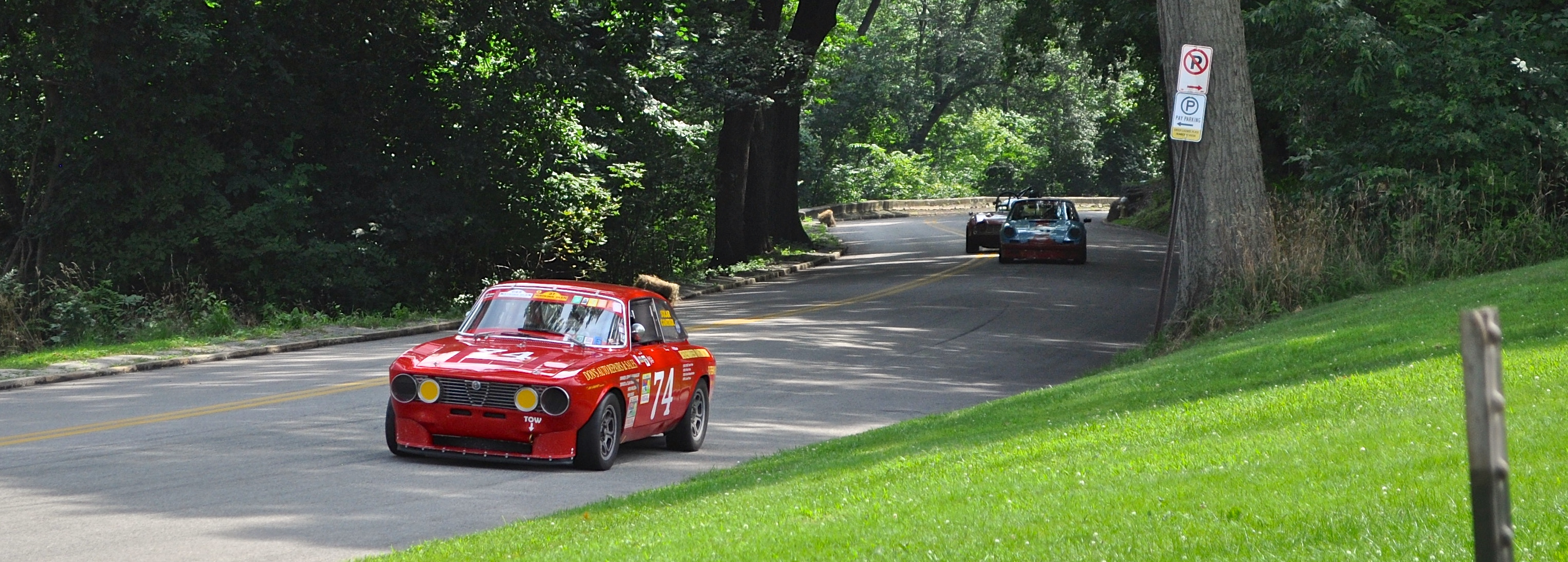

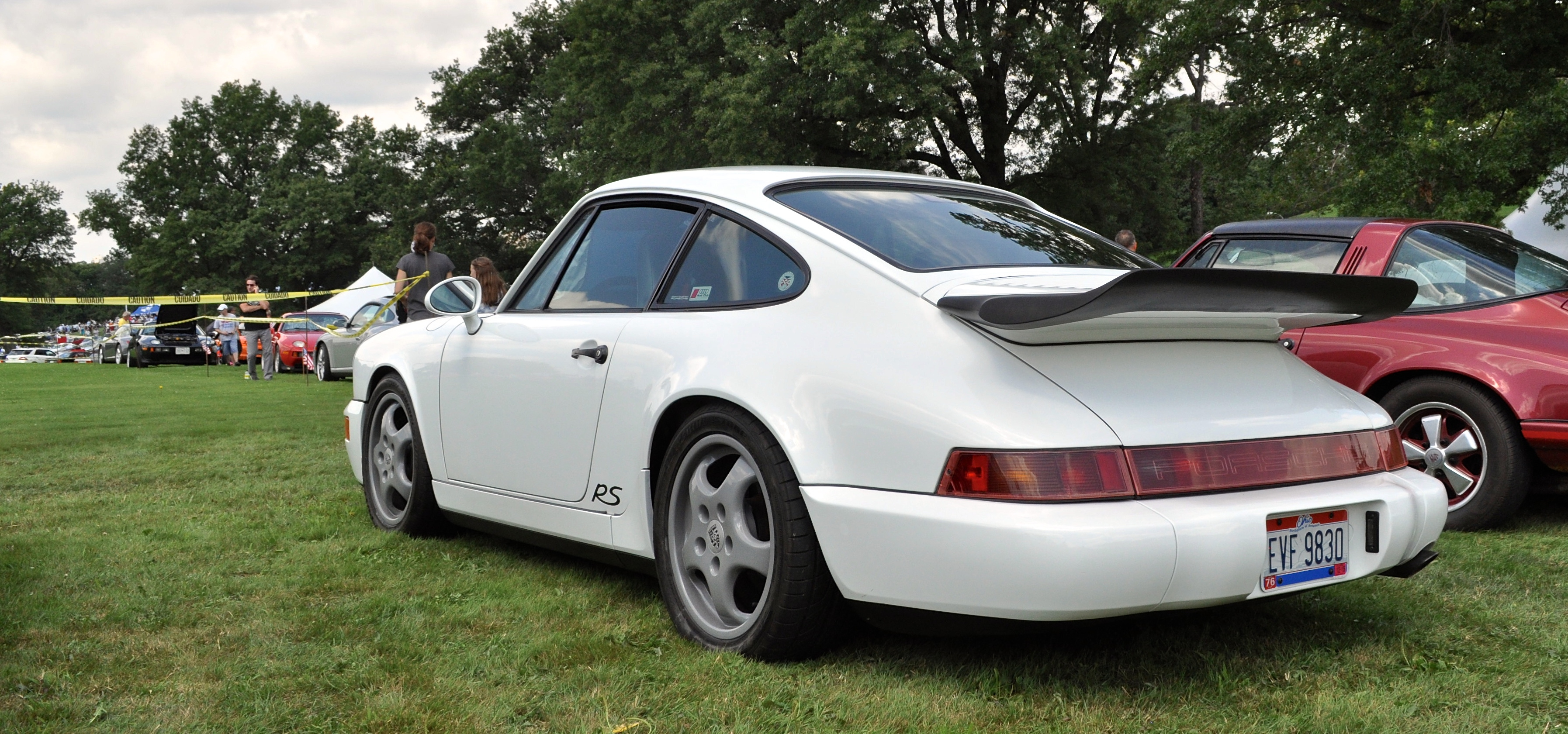
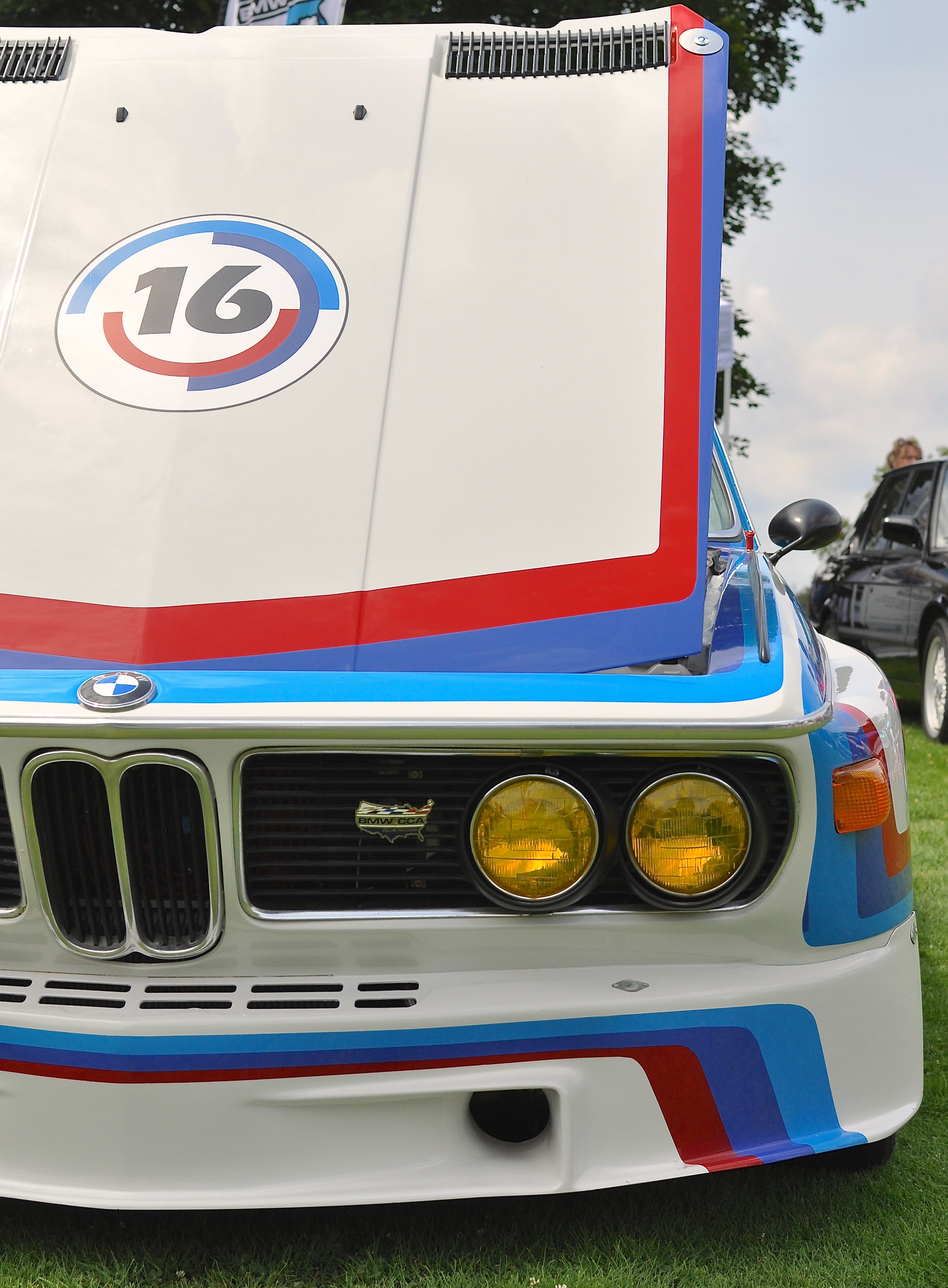

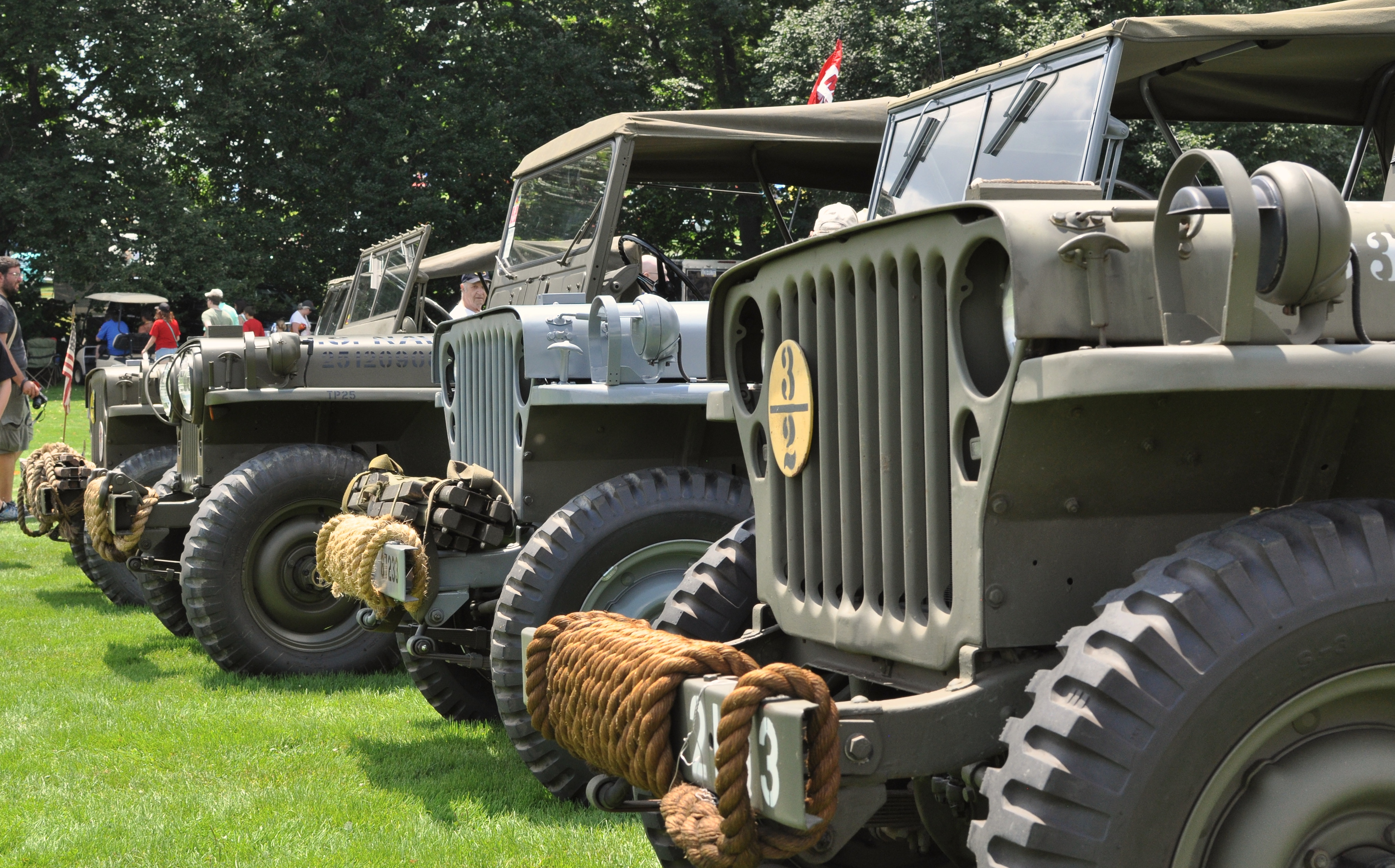
Uploaded some more photographs to my flickr page. It’s only fair that I share them here too.
What a show. I can’t wait for next year!
Despite living in Oakland for four years, I had never attended the PVGP. I had been told that droves of the car-obsessed flocked annually to the greens of the Schenley Park Golf Course to view some of the most legendary automobiles. For whatever reason, I always thought the event would be another overhyped, American-only car show with middle aged men stuffed into canvas lawn chairs beside their pride and joy (insert generic muscle cars here).
But no. Pittsburgh Vintage Grand Prix isn’t a weekly doo-wop nostalgia trip in a Sam’s Club parking lot. It isn’t even close to that.
When I entered the grounds in my humble Volkswagen, I immediately realized how foolish I was to pre-judge this show. My jaw hit the ground so hard, I thought Bill Peduto would call to remind me that fracking is illegal within city limits. The visual juxtaposition of million-dollar classics and common people-movers was staggering. Look away at the wrong time and you might miss some of the finest sculpted metal in automotive history. Wow.
With many an egg on my face, I’ll step aside and let my imagery show you what I’m on about.

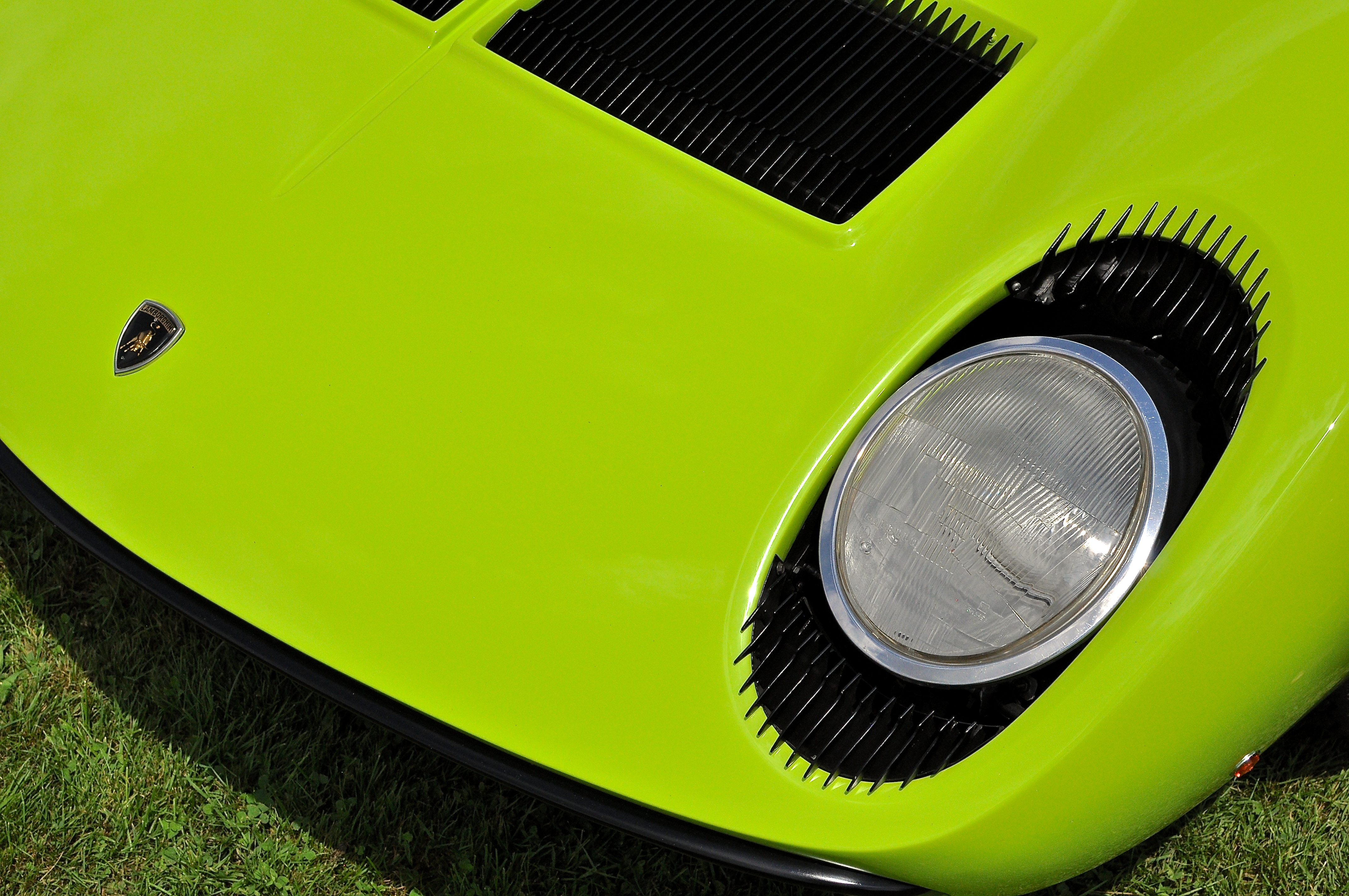


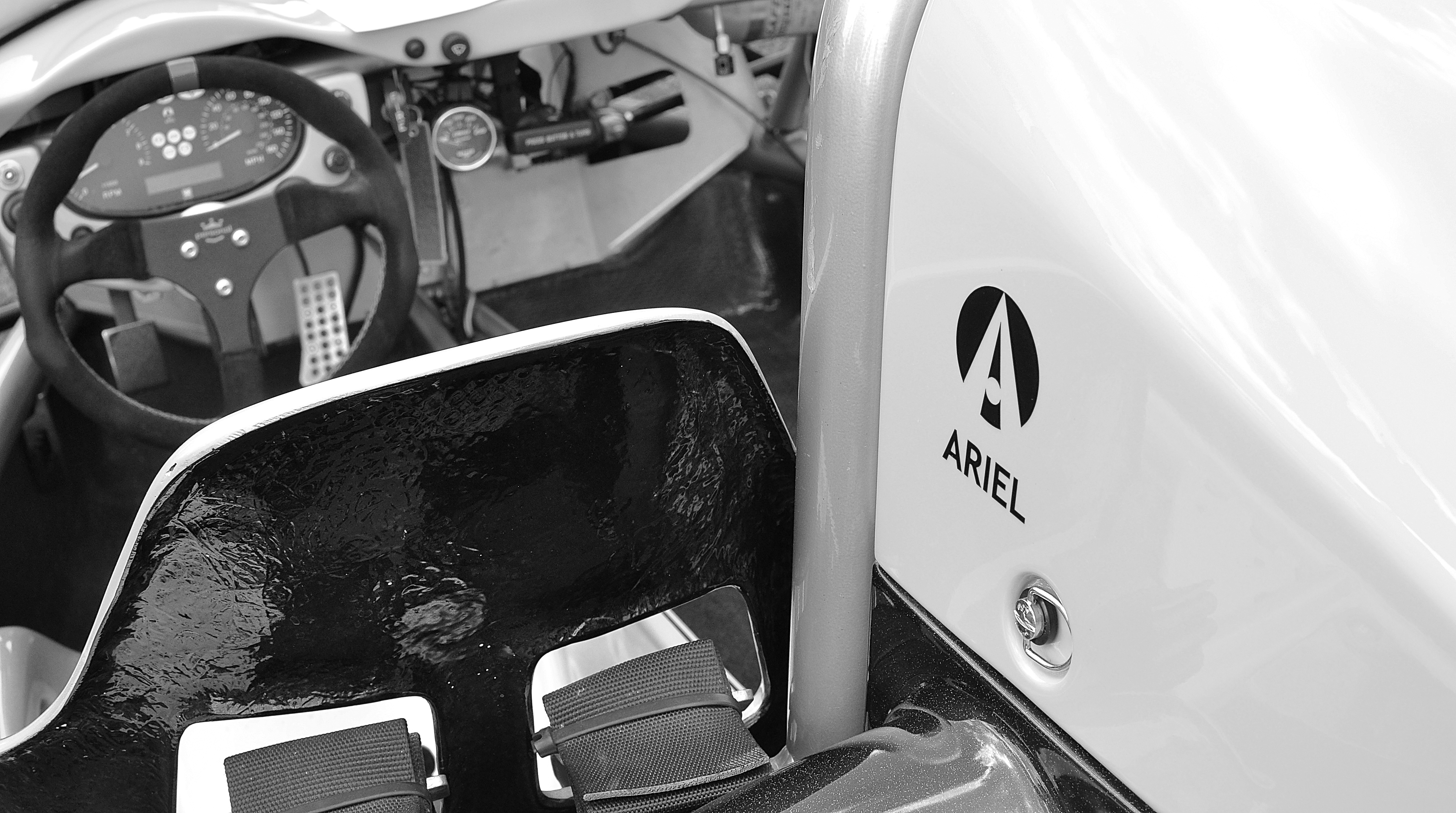


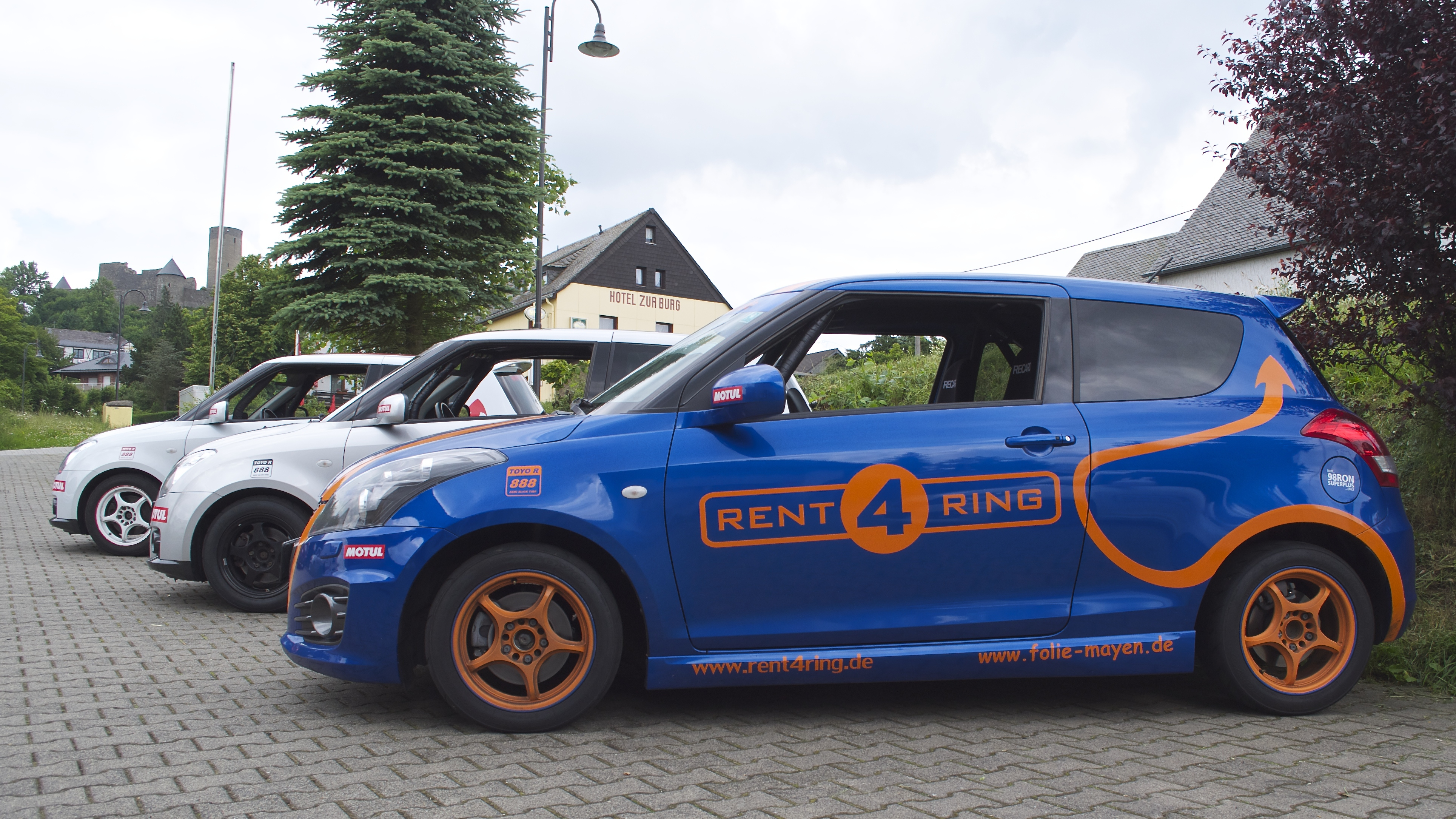
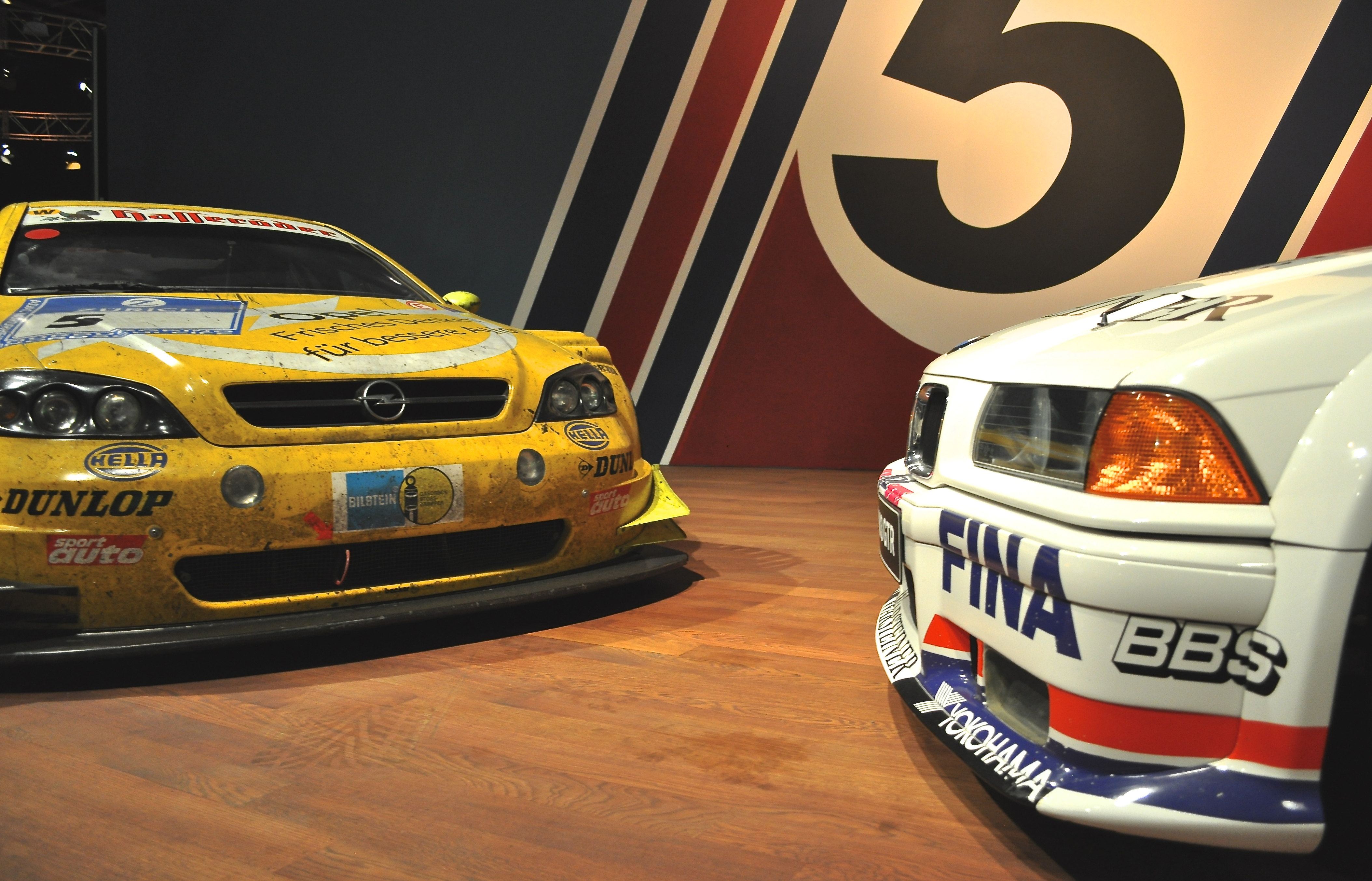
I was searching through my camera bag and stumbled across an old memory card that I had totally forgotten about. I took these in Germany at the famous Nurburgring Nordschleife way back in the summer of 2012. All photos can be seen on my Flickr.
Enjoy!

This article was originally posted on BBC Autos.

Granted, consumers do not cross-shop bawdy Detroit muscle against bespoke European land-missiles, yet some true-to-life comparisons underline just how stellar a value Chrysler’s fire-breathing feline is – and the financial chasms that must be bridged to otherwise touch its tremendous output.
This article was originally posted on BBC Autos.
The month-long Tour de France stormed through the streets of Paris on 27 July, with scores of cyclists swarming towards the finish through a crush of hardcore fans. It’s an evocative scene, one repeated throughout the ages every year. But in 1976, there was an exceptional, extra-legal sprint that was filmed, discussed and ultimately passed around in video-cassette form like contraband.
Nearly four decades ago, French director Claude Lelouch releasedC’était un rendez-vous, a short film depicting a Ferrari 275 GTB illegally blasting through the dormant avenues of a Paris dawn, coming to rest at the Montmarte overlook adjacent to Sacré Coeur. The speed and reckless maneuvers in the picture caused a tiny stir in the City of Light and among car enthusiasts worldwide, as copies of the short film slowly made their way across oceans.
Translating to It Was a Date, the production is regarded as one of the earliest – and still one of the best – street-racing films. Though many a driver has felt the impulse to speed away from a red light or dash through a commute as if it were the last lap at Le Mans, it would be folly to follow through. Lelouch couldn’t help himself. The director weaves through a makeshift 6.5-mile circuit in less than eight minutes while maintaining remarkable pace. But all is not what it seems.
A keen viewer will note that the speed and movement on screen does not always correspond with the sound of a Ferrari at full chatter. In fact, Lelouch used his massive Mercedes-Benz 450SEL 6.9 sedan for filming. To make the movie more exhilarating, the director later dubbed over the soundtrack with that of his Italian sports car. Forget suction-mounting a GoPro camera; Lelouch affixed a full-size film rig to the front of his German land-barge.
And while there was no yellow jersey or flowered garlands awaiting Lelouch at the finish of his “tour”, there was something more permanent: immortality.
This article was originally published on BBC Autos.

A photo with a backstory. (Courtesy RM Auctions)
The photograph above, taken in 1964 at the 12 Hours of Reims endurance race in France, depicts the Parkes/Scarfiotti Ferrari 250 GTO passing the pits while in the foreground, Jacques Swaters, Belgian manager of the Ophem/”Beurlys” outfit, signals the team’s Ferrari 250 LM. The moment, captured in a seemingly nonchalant blink of a camera’s shutter, provides a brief but comprehensive glimpse at what made this era of motorsport so special – to competitors and collectors alike.
But look closer.
A discreet stash of signatures on the print, barely legible at a glance, brings this image into the upper stratosphere of automotive collectibles.
 (Courtesy RM Auctions)
The photo is signed by many of the famous individuals within the frame – a murderer’s row of Formula 1 world champions and Le Mans winners. Signatures from, among others, Phil Hill, Derek Bell, Luigi Chinetti and Maurice Trintignant all adorn the image. Couple this with an exemplary shot of two famous Ferraris – one of which, the 250 GTO, being considered the most coveted car in the collecting hobby – and you’ve got a centrepiece that is certain to draw double-takes.
 (Courtesy RM Auctions)
Although the print’s signatures are subtle, its size is hardly so – it measures over 11 feet long and 7 feet high. Were it not for the barely-there autographs, the image likely would not have sold in 2008 for 23,000 euros (roughly $35,772 at time of sale).
Though few would call the image affordable, it is quite a bargain compared to the Pebble Beach-bound relations of the aforementioned 250 GTO and LM: a 250 GT California expected to bring $12m to $15m, and a 275 GTB/C Speciale that could very well top $40m, making it the most expensive car ever sold at public auction.
All of which serves to make an archival automotive photograph even more attractive. Bonus: you wouldn’t have to worry about crashing it.
 Sean McFarland