Eight ways video games make driving more fun

A symbiosis has formed among road, track and game console—and it’s making us all happier behind the wheel.

Sean McFarland

This article was originally posted on The Drive.


touristenfahrten_5_2015

1. Touristenfahrten at the Nürburgring Nordschleife— Why content yourself with ripping through the Nordschleife on Gran Turismo when you can do it for real? Touristenfahrten is the very real opportunity for the public to try their hand at the circuit known as the Green Hell. While the Nürburgring has always been a mythical destination for race fans, its popularity boomed after the track’s debut in driving simulators (not that heightened interest has staved off bankruptcy. Sigh.). Touristenfahrten days are some of the track’s most popular attractions. Devotees can even rent specific track-prepped machines for their 20.8-kilometer adventure.

098575100_12251931212. Extreme Track Cars — Ask an eight-year-old gamer to style a track toy, and you’d get a hyper-minimalist, sinister machine with digital everything. Remove any semblance of creature comforts, push wheels hard to the corners and you’ve created this generation’s Caterham or Lotus 7. Cars like the KTM X-Bow even incorporate gaming-style lap timers. The only thing separating these cars from virtual reality is an Oculus Rift.
098575100_1225193121

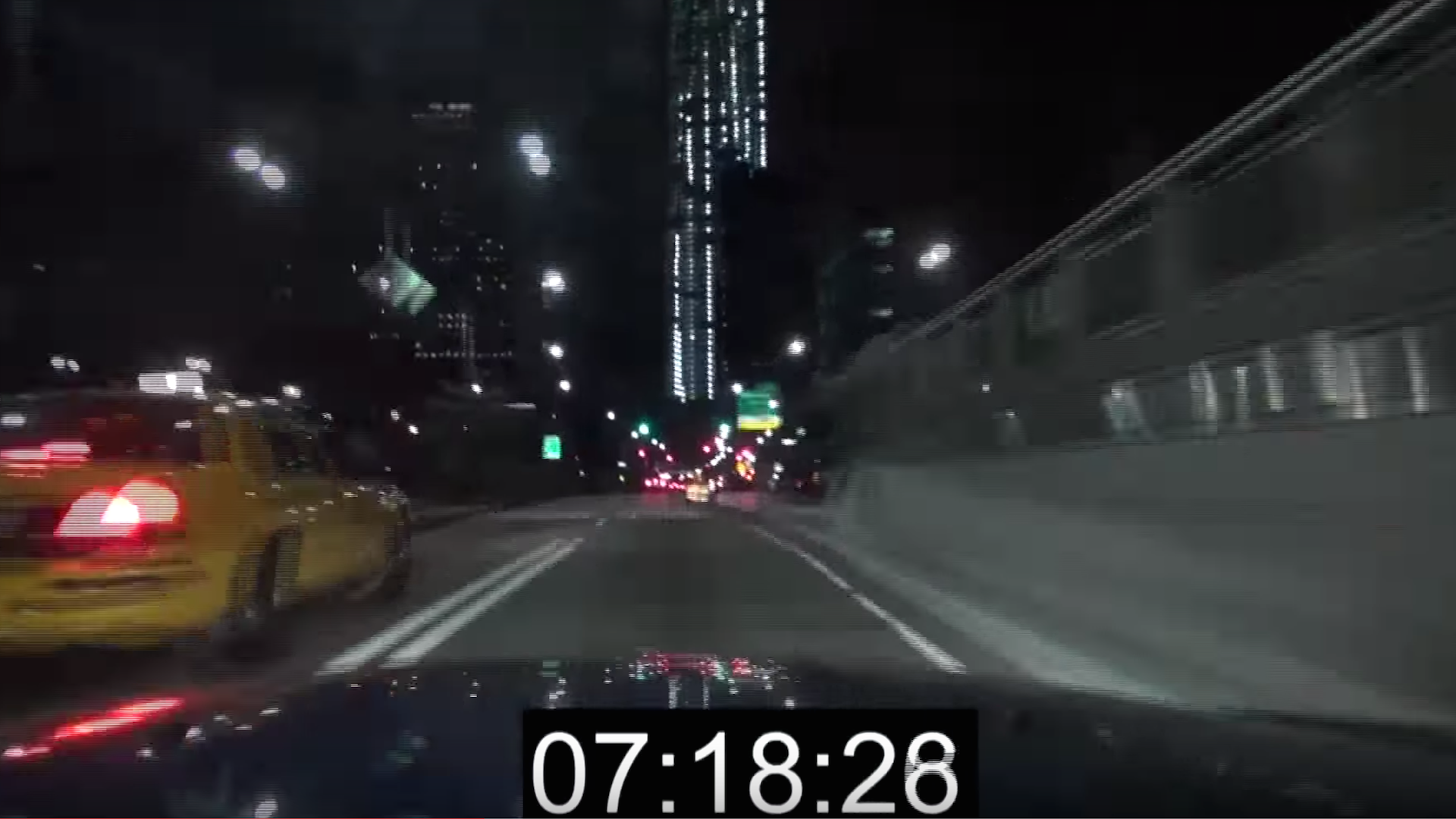
3. The Lap of Manhattan— In 2013, a driver initially known only as “Afroduck” shared a visual cocktail of blurry boulevards, reckless endangerment and a BMW Z4 on YouTube. In just over 24 minutes, Adam Tang whirred around Manhattan’s perimeter at an average speed of 66 mph, shattering a very much unofficial, and equally illegal, record time of 26:03. The video circled through the automotive community and Tang gained a reputation as a real-life Midnight Club racer. Although he was convicted of reckless driving, fined and sentenced to a year in jail, the Canada native fled northward, where he remains.
boutique

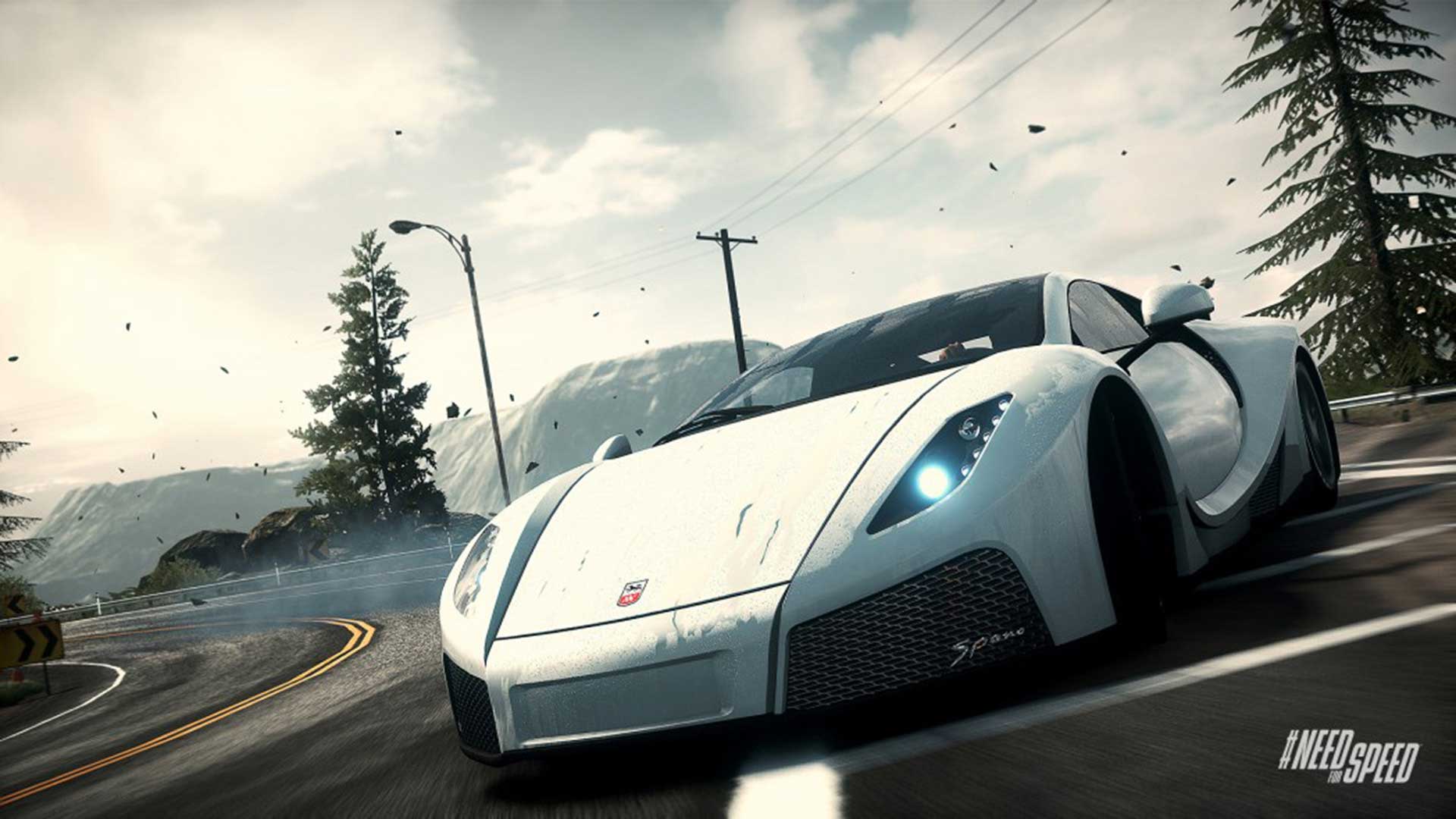
4. The Survival of Boutique Automakers— Sustaining a tiny, performance-oriented brand was once a near impossibility. Who would take a risk on an unproven artisan when names like Ferrari, Lamborghini and McLaren existed? The video game generation, however, proved a tremendous asset for niche manufacturers. British carmaker TVR saw success when they made the original Gran Turismo roster—if not enough to avoid falling into receivership. But today, names like Pagani, Koenigsegg, Wiesmann, GTA (pictured) and others survive and thrive, due in part to gamers and developers keeping these niche pleasure craft on wealthy enthusiasts’ short lists.

escapism

5. Driving as Escapism— Anyone who has fiddled with the Forza Horizon series understands that the exotic vistas, weirdly appealing music festivals and rare cars scratch a voyeuristic itch. Throw in barn finds, social online gameplay and a sandbox environment, and Turn 10 Studios has a heady brew in hand. It’s no coincidence that ads for cars like the Scion FR-S and Mazda MX-5 Miata have pitched driving as a meaningful endeavor. These machines, known somewhat paradoxically as driver’s cars, appeal directly to gamers who seek low-priced, non-virtual chariots.

modding

6. Aftermarket Insanity— When the Need for Speed franchise took on street racing culture in the wake of the original Fast and the Furious film, the popularity of modding exploded. Bright neon underglow, vertical doors and spinning wheels were basic facets of Need for Speed: Underground. After the game’s debut and sequel, car culture went even more rabid for bodykits and spoilers. Functionality be damned, you could buy kits and aero parts for anything from the Mitsubishi Eclipse to the Dodge Caravan. Depending on whom you ask, this is the automotive yearbook page you skip. It’s just too embarrassing.
paddle

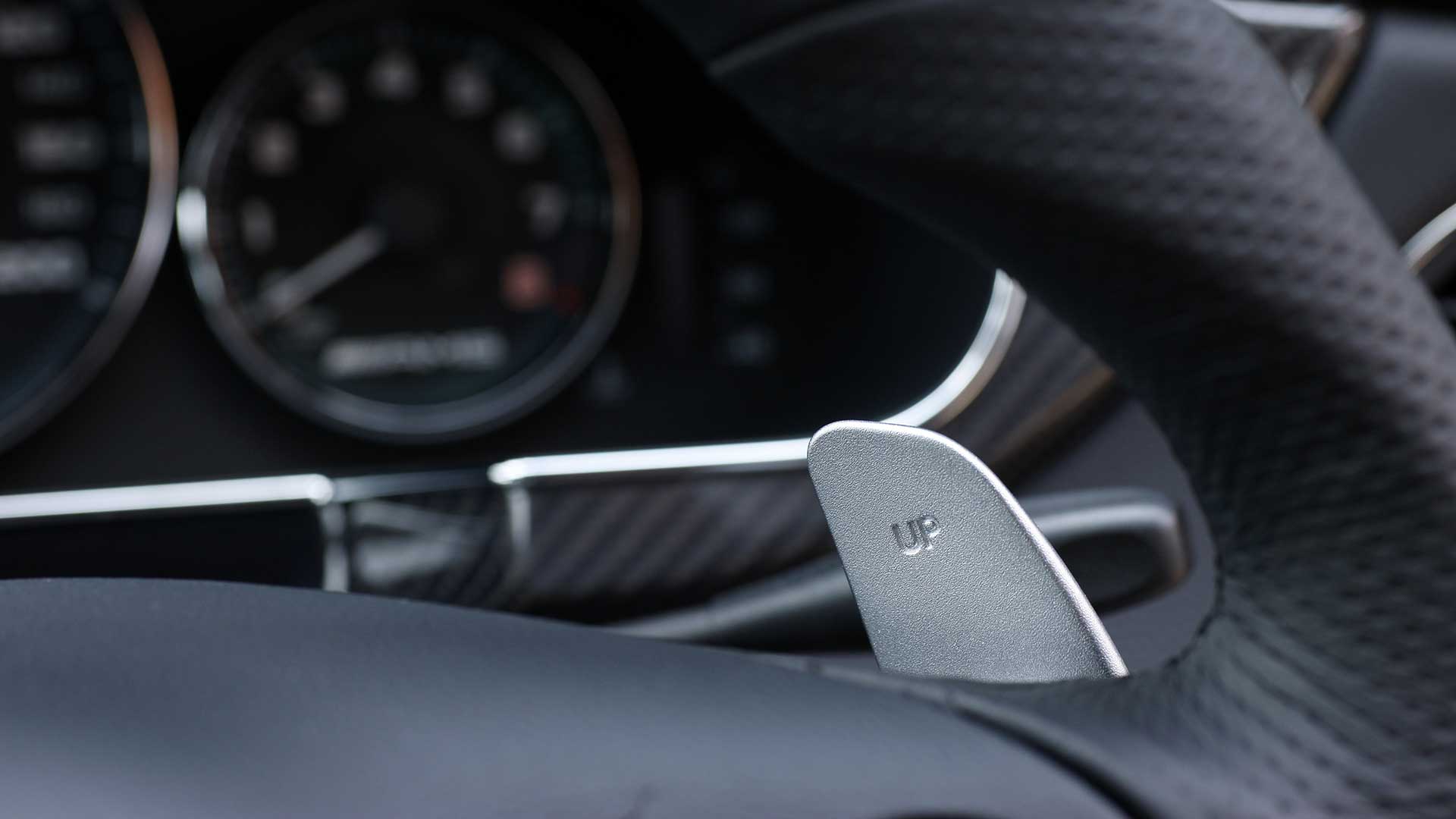
7. A Preponderance of Paddles— In the mid-Nineties, around the same time Ferrari was introducing them on the F355 sports car, the original Gran Turismo on Sony PlayStation was absolutely nailing paddle shifters. Before they were available on most mainstream cars, advanced gamers could enjoy the perfect blend of manual and sequential gearboxes from the comfort of their couch. As paddle shifters trickled down from sports cars to hot hatches, some games introduced handheld clutches to greatly enhance the gaming experience.

edbolian

8. Ed Bolian’s Cross-Country Record— It’s a question ripped from the thoughts of any open-road gamer: How fast could I drive across the U.S.? In October 2013, the team of Ed Bolian, Dave Black and Dan Huang set this record on public roads, crossing the United States in 28 hours, 50 minutes and 26 seconds. Although the average speed of the trek was 98 mph, the trio’s Mercedes-Benz CL55 AMG topped 130 mph for over 90 minutes total, and 158 mph on several occasions. It’s a record that probably won’t—and shouldn’t—be broken any time soon.

5 Bicycle Events You Have To Experience In New York City In 2014

Sean McFarland

Just because New York City is currently as tropical as an arctic tundra doesn’t mean that it’s too early to look forward to the best bicycle events of the 2014 season. It’s time to tune up your bike, order that fancy new jersey, and prepare for the warmer months to come. Here’s just a quick look at the top events to look for in 2014.

1. Time’s Up NYC’s Night Rides

Time’s Up NYC is an organization that actively fights for increased bicycle infrastructure. The group hosts Manhattan’s monthly version of Critical Mass—a nationwide, politically driven ride that emphasizes “more bikes, less cars.” But whether or not you’re into bicycle politics, they also host some pretty killer rides. Time’s Up NYC also hosts monthly “Moonlight Rides” through Central Park and Prospect Park. Bike guides usher the group from the front and rear of the pack and act as tour guides at several scenic stopping points. The rides are leisurely and typically cover about 10 miles, making them an ideal choice for a casual bicyclist. Best of all, they’re totally free.

Who this event is good for: Riders of all abilities.

Prices: Free.

When/Where: Central Park rides meet at Columbus Circle on the first Friday of each month at 10 p.m. Prospect Park rides meet at the Grand Army Plaza in Brooklyn on the second Saturday of each month at 9 p.m.

What you’ll need: Any bicycle, lights are recommended.

2. Bike Polo

There is no sport more unique and more obscure than bicycle polo. This year, New York’s League of Bike Polo returns for another season of pickup polo at “The Pit” in Chinatown and in Fort Greene in Brooklyn. Unlike traditional polo, a bike polo match takes place on a hard surface such as a basketball or tennis court and is played, well, on a bike. Each team has three players who must use their mallet to smack the ball into the opposing team’s goal. The other rules are simple: a player’s feet may not touch the ground, games are scored to either three or five, and trash talking is allowed. The meets are informal and open to anyone who seeks to try their hand at one of New York’s most uncommon sports.

Who this event is good for: Casual riders seeking a social and competitive adventure.

Prices: Free.

When/Where: Thursdays from 5 p.m. to 7 p.m. and Sundays from 2 p.m. until 7 p.m. at “The Pit” in the Lower East Side at the corner of Chrystie street and Delancey. In Brooklyn, the league meets at North Oxford and Flushing on Tuesdays from 6 p.m. to 9 p.m. and Thursdays from 7 p.m. to 10 p.m.

What you’ll need: A bicycle, and a polo mallet, typically homemade.

3. 2014 Red Hook Criterium

The most intimidating bike race in New York City rolls back into Brooklyn on March 29th at the Brooklyn Cruise Terminal. Why is it intimidating? Well not only is the Red Hook Crit a 24-lap scramble on a track that’s hardly wider than a one-way street, but it also manages to cram almost 100 riders on said track. Out of the 200 that attempt to qualify for the race, 85 brave souls will race nonstop for 31.5 kilometers in a race that’s for track bikes only. The women’s event, which runs the same course is even more exclusive—only 50 slots are open for race day. While their race is slightly shorter at 18 laps, it’s no less intimidating. Luckily, if you’re not up for the task of entering this gauntlet of a race, the Red Hook Crit is still perhaps the greatest cycling spectacle in New York City. However, spectators beware: this event can get dicey.

Who this event is good for: Seasoned amateur and professional racers.

Prices: Registration is $50.

When/Where: March 29th at the Brooklyn Cruise Terminal. Qualifying begins at 1 p.m. and races start at 9 p.m.

What you’ll need: A track bike with drop handlebars, clipless pedals, and a helmet. Time trial wheels are not allowed.

4. TD Five Boro Bike Tour

The Ebenezer Scrooges of the bicycling community frown on the Five Boro Bike Tour. Yes, its crowds of over 32,000 cyclists can create some of the biggest bottlenecks in human history. Yes, it’s open to cyclists of all kinds, meaning your goals of a 90+ cadence throughout the 40-mile course is unlikely. Yes, the “wide open” streets of New York City won’t be really open. However, this event is one of the simplest ways to get people to ride—aside from registration, the only thing you’ll need is a helmet! The host, Bike New York, even puts on workshops to teach people how to ride beforehand. Because of this arms-wide-open attitude, the event is notable for being one of the few events that bring the community together on such a large scale. Bicyclists of all shapes and sizes are welcome to join this trek through each of New York City’s unique boroughs.

Who this event is good for: Riders of all abilities.

Prices: Standard registration is $90, and VIP registration is $325.

When/Where: The ride begins at Battery Park on May 4th.

What you’ll need: A helmet, and a rider identification kit from Bike New York. This consists of a helmet cover, bib, and a bike plate.

5. NYC Century Bike Tour

The NYC Century Bike Tour isn’t as intense as it sounds. Riders do have the opportunity to complete the signature 100-mile ride, but as in previous years, they’re also given the option for rides of 75, 55, 35, or 15-mile lengths, allowing riders of all intensities to participate. What makes this ride unique, however, is that while there are specific routes to follow that highlight many of New York’s unique neighborhoods, the event is not held on closed roads. Rather, it forces riders to navigate through traffic. Transportation Alternatives, an organization dedicated to reclaiming the streets from the automobile, uses the event as a platform to highlight New York City’s increasingly impressive bicycle infrastructure. http://nyccentury.org/The group has yet to post specifics, but since 2014 will mark the event’s 25th anniversary, expect them to go big this year.

Who this event is good for: Riders of all abilities.

Prices: Early registration is $55 for non-members, $45 for members, and $25 for kids.

When/Where: Specific date TBD, likely early September. Rides depart from Central Park and Prospect Park.

What you’ll need: Any bicycle. Helmets are required for kids, recommended for adults.